Tulip Time Cruising
The Two Weeks Each Year When Europe's Rivers Become Something Extraordinary
I've seen spring flowers in countless destinations. Japanese cherry blossoms. English gardens. California poppies.
But nothing—and I mean nothing—prepared me for the Netherlands in tulip season.
Here's what caught me completely off guard: this isn't just about flowers. It's about experiencing a landscape that exists in this form for exactly two weeks each year. A brief window when centuries-old Dutch horticultural mastery transforms entire regions into living works of art.
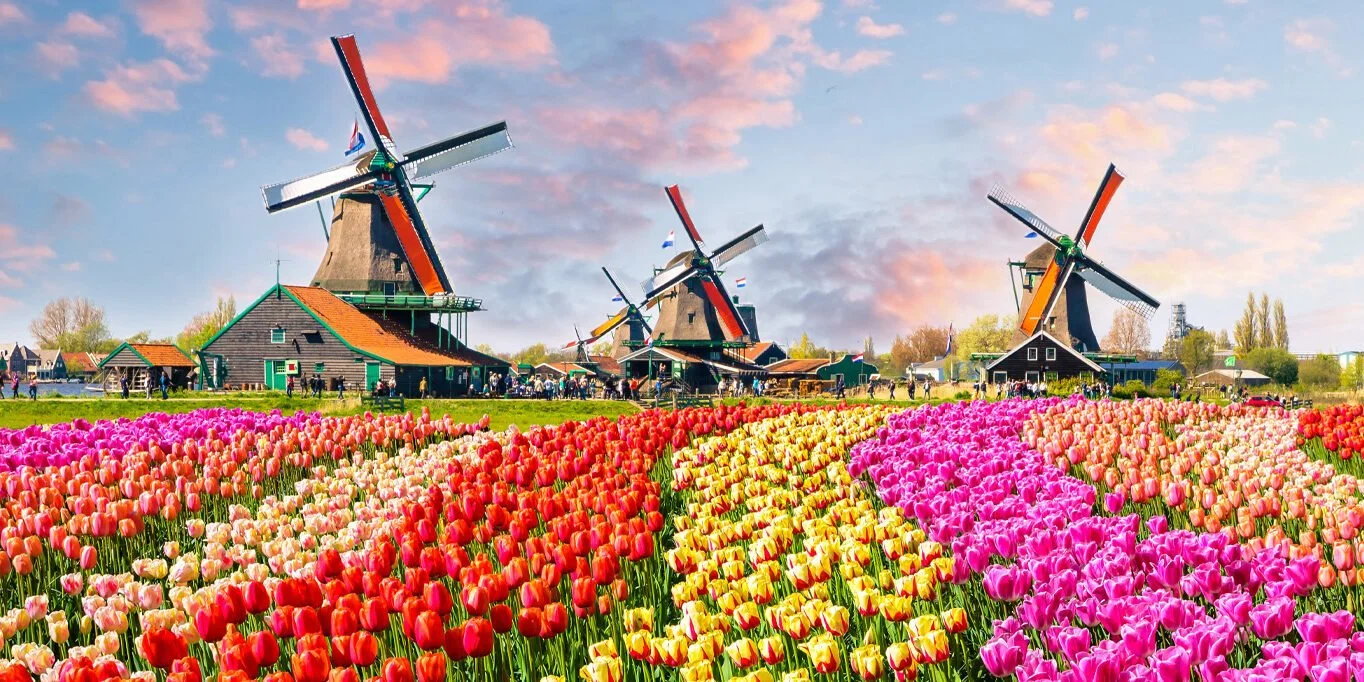
And the best way to experience it? From the deck of a river ship gliding through the Dutch Waterways—an itinerary that exists solely to showcase this fleeting spectacle.
Why These Two Weeks Matter More Than You'd Think
Most European river cruises operate year-round with minor seasonal variations. The Rhine in June looks similar to the Rhine in September.
But the Dutch Waterways during tulip season? That's a completely different category.
These sailings are timed precisely—usually late March through mid-April—to coincide with peak bloom at Keukenhof Gardens and the surrounding bulb fields. Miss this window, and the experience simply doesn't exist. The flowers are gone. The specialized itineraries end. The magic disappears for another year.
I'm not being dramatic. This is genuinely one of Europe's most time-sensitive travel experiences.
What Makes the Dutch Waterways Different from Standard Rhine Cruises
Here's something most travelers don't realize: the Dutch Waterways itinerary follows a completely different route than classic Rhine cruises.
Standard Rhine sailings focus on Germany's castle-lined Middle Rhine Valley and wine regions. Spectacular in their own right.
But Dutch Waterways cruises navigate the intricate network of canals, rivers, and waterways lacing through the Netherlands and Belgium. You're cruising through Kinderdijk's iconic windmill landscape. Gliding past Antwerp's diamond district. Docking in Amsterdam's canal ring—a UNESCO World Heritage Site.
The destinations are specifically chosen to maximize tulip season experiences:
Keukenhof Gardens – Seven million bulbs planted across 79 acres. Not a public park that happens to have tulips, but a meticulously designed exhibition that changes annually. Think of it as a living museum of Dutch horticultural artistry that exists for exactly eight weeks each year.
The bulb fields themselves – Driving or cycling through the Bollenstreek region between Leiden and Haarlem during peak bloom feels surreal. Striped fields of red, yellow, purple, and pink tulips stretching to the horizon. This isn't a garden you visit—it's a working agricultural landscape that's staggeringly beautiful during this brief season.
Smaller villages like Enkhuizen – Former fishing towns on the IJsselmeer with flower markets, canal-side gardens exploding with spring blooms, and a pace of life that feels worlds away from Amsterdam.
These aren't standard Rhine stops. These are destinations designed around celebrating Dutch spring—and they're only meaningful during these specific weeks.
The Timing Question Everyone Gets Wrong
People ask me: "Can't I just visit the Netherlands any spring and see tulips?"
Technically yes. Practically? The experience is completely different.
Keukenhof only opens for eight weeks annually—roughly late March to mid-May. But peak bloom, when the gardens AND surrounding bulb fields are at their absolute spectacular best, typically happens during a much narrower two-to-three-week window in early-to-mid April.
River cruise lines schedule these specialized Dutch Waterways sailings to hit that peak. They're working with Dutch horticultural experts to time departures precisely.
Book a standard Rhine cruise in May? You'll miss it. Visit independently in late March? You might be too early. The Dutch Waterways sailings during April remove all that guesswork.
Why Emerald Gets This Journey Right
Having experienced this itinerary, here's what Emerald understands about tulip season cruising:
They build in multiple tulip experiences. You're not just visiting Keukenhof once. You're cycling through bulb fields on an EmeraldACTIVE excursion. You're stopping at local flower markets. You're cruising past landscapes ablaze with color. The entire itinerary is designed around maximizing these seasonal opportunities.
The included excursions actually matter here. Keukenhof admission alone is €20+ per person. Bike rentals for the bulb fields route? Another €15-20. Specialized tours? €50+. With Emerald, these experiences are included—including the EmeraldACTIVE bike rides through tulip country that would be expensive and logistically complicated to arrange independently.
The ship's route maximizes the spectacle. While ocean-going river ships must stick to major waterways, Emerald's vessels can navigate the smaller Dutch canals. You're cruising through the heart of tulip country, not just visiting it on motor coach excursions from distant ports.
The onboard atmosphere matches the season. There's an energy during tulip season sailings that's different from standard cruises. Everyone chose this specific departure for this specific reason. That shared purpose creates a wonderful camaraderie.
The Destinations That Surprised Me Beyond the Tulips
Yes, the flowers are the headliner. But some of my most memorable moments had nothing to do with tulips:
Kinderdijk's 19 windmills – A UNESCO World Heritage Site that looks exactly like every Dutch painting you've ever seen. We arrived at golden hour, and the light reflecting off canals with windmills silhouetted against the sky felt almost too perfect.
Antwerp's diamond district – I wasn't expecting to be fascinated by the diamond trade, but our local guide's stories about the city's Hasidic diamond merchants and centuries-old trading traditions were captivating.
Amsterdam's canal cruise – Yes, I know—a cruise within a cruise sounds redundant. But navigating Amsterdam's 17th-century canal ring from water level, gliding under those impossibly narrow bridges, reveals the city's architecture and layout in ways walking never could.
Gouda – Not just the cheese (though yes, the cheese market is wonderful). This perfectly preserved medieval city feels like stepping into another century, with its Gothic town hall and stained glass windows that are genuinely world-class.
The tulips are extraordinary. But the itinerary delivers far more depth than I expected.
The Rhine Portion: Classic Beauty Meets Spring Colors
Most Dutch Waterways itineraries incorporate portions of the classic Rhine route—and experiencing the Rhine Valley during spring offers its own rewards.
The Rheingau wine region in early spring, before peak tourist season, feels authentic rather than performative. Rüdesheim's Drosselgasse isn't overrun yet. Tastings at family-owned wineries feel personal.
The Middle Rhine's castle-lined gorge takes on different character in spring. Hillside vineyards showing their first green growth. Riverside villages with outdoor cafes just reopening. It's the Rhine at its most optimistic—shaking off winter and preparing for summer.
If you've done a standard Rhine cruise before, the spring timing combined with Dutch Waterways extensions creates a genuinely different experience.
The Practical Realities Nobody Mentions
April weather in the Netherlands is unpredictable. I experienced brilliant sunshine, grey drizzle, and biting wind—sometimes all in the same day. The tulips don't care about weather; they're spectacular regardless. But bring layers. Bring a quality rain jacket. The Dutch have a saying: "There's no bad weather, only bad clothing."
Keukenhof gets crowded. Emerald typically schedules visits for early morning or late afternoon to avoid peak crowds, but it's still a popular attraction during a short season. The gardens are large enough that crowds dissipate, but don't expect solitude.
The best photo opportunities happen early. If you're a photographer, those early morning excursions through tulip fields offer stunning light and fewer people. Worth setting an alarm.
Independent exploration works beautifully here. The Netherlands is flat, bike-friendly, and easy to navigate. Many travelers skip organized excursions in Amsterdam and simply cycle or walk the canals independently. Emerald provides excellent maps and suggestions.
Who This Journey Is Really For
The Dutch Waterways during tulip season appeals to a specific traveler:
You appreciate that some experiences are genuinely seasonal and worth planning around
You value gardens, horticulture, and landscape design—not just as backdrops, but as destinations
You want the classic Rhine experience but with something extra that makes the journey feel unique
You understand that travel isn't always about covering maximum territory, but sometimes about being somewhere at exactly the right moment
You're willing to commit to specific dates (those two weeks in April) rather than flexible scheduling
This isn't a cruise where "any departure works." The dates matter fundamentally.
Why This Changed How I Think About Seasonal Travel
I've built a career around helping people travel. I've seen countless "seasonal" marketing claims that amount to minor differences.
The Dutch Waterways during tulip season isn't marketing. It's horticulture, geography, and timing converging to create something that genuinely only exists during these specific weeks.
After experiencing it, I understand why travelers return year after year. Why photographers plan their calendars around it. Why people book 12-18 months ahead to secure April departures.
It's not just beautiful—though it absolutely is. It's exclusive in the truest sense. Not because of price or access, but because nature only stages this show for a few brief weeks annually.
And experiencing it from a river ship, where you're waking up in different tulip-region towns each morning, where you can cycle through bulb fields one day and cruise Amsterdam's canals the next, where everything is coordinated to maximize those peak bloom days—it's simply the most elegant way to witness something genuinely extraordinary.
The "Someday" Conversation I Have Repeatedly
"The Netherlands is on my list. I'll get there eventually."
Here's my perspective after decades of travel: some destinations work anytime. Paris in June or October? Both wonderful.
But the Dutch tulip fields in full April bloom? That's not "eventually." That's a specific appointment with nature that won't wait.
I don't say this to create urgency for urgency's sake. I say it because I've watched travelers postpone seasonal experiences until life circumstances made them more difficult. The Netherlands is easy to navigate, the cruise is comfortable and accessible, and the experience is worth planning ahead for.
If this speaks to you—if the idea of cycling through striped tulip fields or wandering seven million blooming bulbs at Keukenhof sounds genuinely appealing—don't let it drift into "someday."
The tulips bloom whether we're there or not. But experiencing them from the deck of a river ship winding through Dutch waterways? That takes a little planning—and it's absolutely worth it.
Dutch Waterways & Tulip Time Questions I'm Asked Most Often
When exactly is peak tulip season, and how do I time it right?
Peak bloom typically occurs in early-to-mid April, though exact timing varies slightly by 7-10 days each year based on spring weather. River cruise lines work with Dutch horticultural experts to schedule departures during optimal bloom periods. Generally, sailings departing between April 1-20 offer your best chances. Emerald schedules these specialized Dutch Waterways itineraries specifically around peak bloom forecasts, taking the guesswork out of timing.
Is the Dutch Waterways itinerary completely different from a standard Rhine cruise?
Substantially different, yes. Classic Rhine cruises focus on Germany's Middle Rhine Valley, castles, and wine regions—destinations like Koblenz, Rüdesheim, and Strasbourg. Dutch Waterways itineraries follow the Netherlands' canal systems and waterways, featuring Kinderdijk, Amsterdam, Antwerp, Keukenhof access, and smaller bulb-region villages. Some itineraries combine both—offering classic Rhine highlights plus the specialized Dutch tulip region extensions. It's a distinct route designed specifically for spring flower season.
What's actually included for tulip-season experiences with Emerald?
All the major seasonal experiences are included: Keukenhof Gardens admission and tour, EmeraldACTIVE bike rides through the bulb fields, local flower market visits, and canal cruises in Amsterdam. Also included are all meals with wine and beer at lunch and dinner, Wi-Fi, gratuities, and standard shore excursions to destinations like Kinderdijk and Antwerp. The only extras are premium spirits, specialty coffees, or spa services. Considering Keukenhof alone costs €20+ and organized bike tours through tulip fields run €50+, the inclusions add significant value.
Can I see the tulip fields outside of an organized cruise?
Absolutely—independent travel through the Netherlands during tulip season is wonderful. However, the logistics get complicated quickly. You'll need to coordinate Keukenhof timing (which can sell out), arrange bike rentals or transportation through the Bollenstreek bulb region, book hotels in multiple locations as you move between tulip areas and Amsterdam, and hope your dates align with peak bloom. The Dutch Waterways cruise essentially handles all that coordination while your floating hotel moves you efficiently between regions at precisely the right time. It's less about what's possible independently and more about what's easiest.
How crowded does Keukenhof get during peak season?
Keukenhof is popular—expect crowds, especially mid-morning through mid-afternoon. However, the gardens cover 79 acres, so crowds disperse. Emerald typically schedules visits during early morning or late afternoon slots when it's less congested. The gardens are designed for heavy visitor flow, so even on busy days, you can find quieter sections. The surrounding bulb fields, accessible via bike or car, offer spectacular views with virtually no crowds at all.
Will I still enjoy this if I'm not particularly interested in flowers?
Surprisingly, yes—though it depends on your interests. The itinerary includes Amsterdam's canals and museums, Antwerp's diamond district and cathedral, Kinderdijk's windmills, medieval Gouda, and often portions of the classic Rhine. The tulips are the headline, but there's substantial cultural and historical content beyond horticulture. That said, if gardens and landscapes don't interest you at all, you might prefer a different Rhine itinerary. The tulip season sailings are designed for travelers who appreciate the flowers as a major highlight, not just a bonus.
Is April weather in the Netherlands unpredictable?
Yes, and that's important to plan for. April brings everything from brilliant sunshine to grey drizzle to occasional cold snaps. Temperatures typically range from 45-60°F (7-15°C). The Dutch saying "there's no bad weather, only bad clothing" applies perfectly. Bring layers, a quality rain jacket, and comfortable walking shoes that handle wet cobblestones. The good news? Tulips look spectacular in any weather, and the ship provides a warm, dry base regardless of conditions outside.
How far in advance should I book these tulip season cruises?
Earlier than you'd expect. Dutch Waterways departures during peak April weeks often sell out 12-18 months ahead, especially for premium stateroom categories. These are among the most popular river cruise departures all year because the experience is so time-specific. If you're considering this journey, booking 12+ months ahead gives you the best selection of departure dates and cabin options. Last-minute availability is rare during prime tulip weeks.